Forex Paper Trading: A Comprehensive Introduction
Forex paper trading has gained significant popularity among novice and even seasoned traders, providing an invaluable opportunity to practice trading without the risk of losing real money. Through this method, traders can explore various strategies, analyze the market, and build their confidence in a simulated environment. Whether you are just starting out in forex trading or looking to refine your existing skills, utilizing a forex paper trading Best UAE Brokers demo account for paper trading is an excellent way to enhance your understanding of the market.
What is Forex Paper Trading?
Forex paper trading refers to the practice of simulating trading in the foreign exchange market using a demo account, where participants can execute trades without using real money. This practice is often facilitated through trading platforms offered by brokers, allowing users to access real-time market data and experience fluctuations just like they would in actual trading.
Understanding the Basics
The concept of paper trading isn’t new; it stems from paper-based record-keeping before automated systems became prevalent. In the context of forex trading, paper trading enables users to engage in trading activities while tracking hypothetical profits and losses. It allows traders to understand the mechanics of buying and selling currency pairs, margin requirements, and leverage without the emotional stress that often accompanies real-money trading.
Benefits of Forex Paper Trading
Engaging in forex paper trading offers several distinct advantages:
1. Risk-Free Learning
One of the primary benefits of paper trading is that it enables traders to learn the market mechanics without risking their hard-earned money. This risk-free environment encourages experimentation and exploration of various trading strategies, fostering a deeper understanding of market behavior.
2. Strategy Testing
Forex paper trading provides an ideal platform for testing trading strategies before committing real money. Traders can simulate different market conditions and evaluate how their strategies perform. Utilizing back-testing can help understand which strategies yield positive results over time.
3. Emotional Control
One of the most challenging aspects of trading is maintaining emotional control. Paper trading helps traders develop discipline by allowing them to make decisions based on analysis rather than fear or greed. This practice is essential for future success when transitioning to real-money trading.
4. Familiarization with Trading Platforms
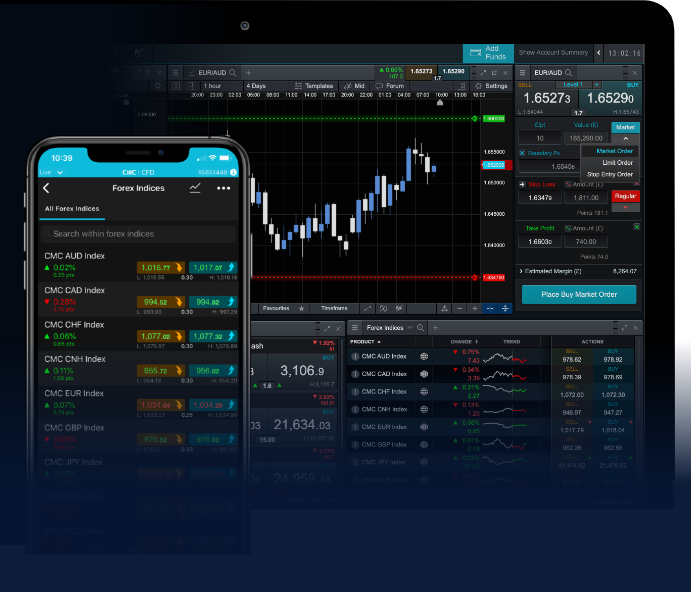
Different brokers provide various trading platforms, each with unique features and tools. Paper trading allows users to familiarize themselves with the interfaces, tools, and functionalities of different platforms, ensuring they are comfortable when they switch to live trading.
How to Start Forex Paper Trading?
Getting started with forex paper trading is easy and typically involves the following steps:
1. Choose a Reputable Broker
Select a broker that offers a demo account for paper trading. Ensure that the broker is regulated and has a good reputation in the industry. As mentioned earlier, do your research to find the Best UAE Brokers.
2. Open a Demo Account
After choosing a broker, the next step is to create a demo account. Most brokers provide a straightforward registration process that requires minimal personal information. Once registered, you’ll be granted access to a demo trading platform.
3. Develop a Trading Plan
A well-defined trading plan is crucial for any trading endeavor. Outline your objectives, risk tolerance, entry and exit strategies, and criteria for selecting trades. A solid plan helps to maintain discipline during paper trading.
4. Start Trading
Begin executing trades using the demo account. Pay attention to the market movements, test your strategies, and record your findings. Regularly evaluate your performance to identify areas for improvement and adjust your approach as necessary.
Common Mistakes to Avoid in Paper Trading
While paper trading is a valuable tool for developing trading skills, common pitfalls can hinder your progress:
1. Treating Paper Trading Lightly
Some traders may assume that since there is no real money at stake, they don’t have to take paper trading seriously. This mindset can lead to bad habits and a lack of discipline that will carry over when trading with real funds.
2. Ignoring Emotional Responses
While the pressure of real money is absent in paper trading, it is crucial to acknowledge emotional responses during simulated trades. Simulating realistic conditions can help develop a psychological resilience that can be valuable later.
3. Not Tracking Progress
Failing to keep track of trades, successes, and failures can lead to missed opportunities for improvement. Maintaining a trading journal can provide insights into what works and what doesn’t, making it easier to refine strategies.
Transitioning from Paper Trading to Live Trading
Once you feel confident in your paper trading skills and have tested your strategies, it may be time to transition to live trading. Here are a few tips to make this transition smoother:
1. Start Small
When moving to live trading, begin with a small amount of capital that you can afford to lose. This approach helps ease the pressure and allows you to gradually adjust to the emotional aspects of trading.
2. Stick to Your Plan
Ensure that you stick to the trading plan you developed during paper trading. The tendency to deviate from a well-defined plan can lead to poor decision-making when trading with real money.
3. Be Patient
Success in forex trading takes time. Avoid the urge to achieve immediate results, and be patient as you build your skills and knowledge in a live environment.
Conclusion
Forex paper trading serves as an invaluable tool for traders at all levels, enabling them to sharpen their skills and strategies without risking capital. By taking advantage of the benefits of paper trading and adhering to best practices, you can position yourself for a successful trading journey. As you gain experience and confidence, you will find that transitioning to live trading becomes a far less daunting task.