
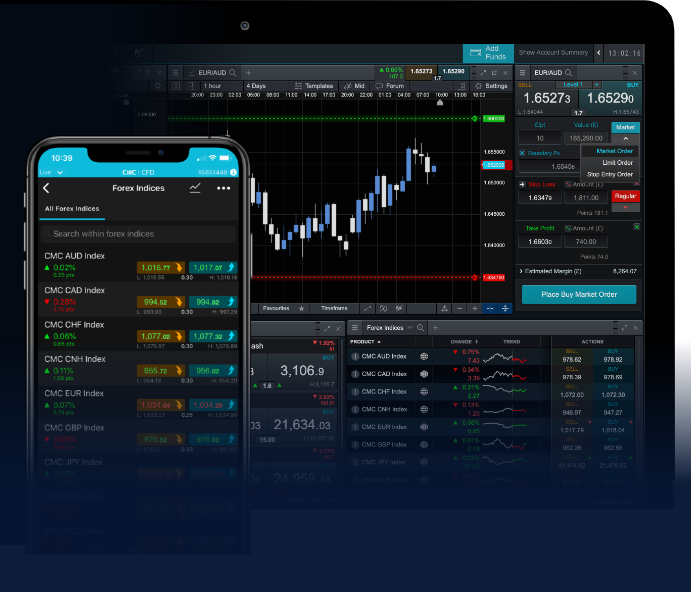
Understanding Forex Paper Trading: Your Gateway to Successful Trading
Forex paper trading is a valuable tool for both beginners and experienced traders looking to hone their skills without the risk of real money. It involves simulating trading activities in the foreign exchange market using virtual currency. This practice allows traders to gain hands-on experience, test strategies, and develop a deeper understanding of market dynamics. Whether you are a newbie or a seasoned trader, forex paper trading Best UAE Brokers can provide you with excellent resources for starting your paper trading journey.
What is Forex Paper Trading?
Forex paper trading is a simulated trading environment where individuals can execute buy and sell orders in the Forex market using a demo account. Unlike live trading which involves real money, paper trading allows you to practice trading strategies, analyze market trends, and improve your trading discipline without any financial risk. It serves both as an educational platform and a testing ground for various trading strategies.
Why Choose Paper Trading?
There are several compelling reasons to engage in paper trading:
- Risk-Free Environment: You can learn the nuances of forex trading without the fear of financial loss.
- Strategy Development: Test and refine different trading strategies to discover what works best for you.
- Market Understanding: Gain insights into market behavior and technical analysis.
- Building Confidence: Improve your trading skills and boost your confidence before committing real money.
How to Get Started with Forex Paper Trading
Starting with forex paper trading is simple and can be broken down into a few essential steps:
1. Choose a Trading Platform
Select a reliable broker that offers a demo trading account. Look for features such as a user-friendly interface, real-time market data, and advanced trading tools.
2. Set Up Your Demo Account
Create a demo account with your chosen broker. You will usually be required to provide basic information like your name and email address. The demo account will come pre-loaded with virtual funds that you can use to trade.
3. Define Your Trading Goals

Establish clear objectives for your paper trading experience. Determine what you want to achieve, whether it’s mastering the basics, testing a strategy, or gaining a deeper market understanding.
4. Start Trading
Begin executing trades based on your analysis. Track your trades and reflect on your performance. This is an opportunity to apply your knowledge and improve your decision-making skills.
Best Practices for Effective Paper Trading
To maximize the benefits of paper trading, consider the following best practices:
- Treat It Like Real Trading: Approach paper trading with the same seriousness as you would with real capital. This includes setting realistic goals and adhering to trading plans.
- Keep a Trading Journal: Document your trades, including the reasoning behind your decisions and the outcomes, to identify patterns and areas for improvement.
- Experiment with Different Strategies: Use your time in paper trading to trial various strategies. Experiment with things like day trading, swing trading, or scalping.
- Review Regularly: Regularly analyze your performance and trade outcomes. This will help you identify what strategies work and what mistakes to avoid.
Common Mistakes to Avoid in Paper Trading
While paper trading is a powerful learning tool, some common mistakes can undermine its effectiveness:
- Treating It Casually: Many traders make the mistake of not taking paper trading seriously. This can lead to sloppy trading habits that carry over into live trading.
- Overtrading: Paper trading can sometimes create a false sense of security, leading traders to take excessive risks or place too many trades in a short period.
- Ignoring Market Conditions: It’s important to practice under market conditions that reflect reality. This means paying close attention to market news and economic events that can influence trades.
Translating Paper Trading Experience to Live Trading
Successfully transitioning from paper trading to live trading requires a strategic approach:
- Gradual Transition: Start by investing small amounts of money when moving to live trading. This will help you get a feel for trading with actual capital without overwhelming yourself.
- Apply Lessons Learned: Utilize the insights gained from your paper trading experience. Stick to strategies that have proven effective and make adjustments based on your performance during simulations.
- Manage Emotions: Recognize that trading with real money involves emotional aspects that paper trading does not. Develop strategies to cope with these feelings and maintain discipline.
Final Thoughts
Forex paper trading is an essential component of the trading journey. It empowers traders to gain experience, develop strategies, and understand market mechanisms while mitigating financial risks. It lays the groundwork for successful trading by allowing you to make mistakes and learn in a controlled environment. By utilizing the resources and educational tools available through reputable brokers, and by diligently applying best practices and strategies, you can position yourself for a successful transition to live forex trading.
Remember, the journey to becoming a successful trader is a marathon, not a sprint. Embrace the learning process, and make the most of your paper trading experience!
