
Your Ultimate Guide to Day Trading Crypto

Your Ultimate Guide to Day Trading Crypto

Your Ultimate Guide to Day Trading Crypto

Day trading crypto has emerged as one of the most exciting opportunities for both novice and seasoned traders. The allure of making quick profits in a market that never sleeps is captivating. With the right knowledge, strategies, and tools, anyone can immerse themselves and potentially reap significant rewards. However, it also comes with its own set of risks and challenges. In this guide, we will delve into the intricacies of day trading crypto and provide you with all the information you need to make informed trading decisions. For further resources and insights into day trading, consider visiting day trading crypto https://www.sitelike.org/similar/aenoa.com/.

Understanding Day Trading in Crypto

Day trading is a strategy that involves buying and selling financial instruments within the same trading day. When it comes to cryptocurrencies, day trading involves leveraging the price volatility of digital coins to enter and exit positions swiftly, often holding assets for only a few minutes or hours. Unlike traditional investing, where traders might hold assets for weeks or years, day trading focuses on short-term price movements. Traders aim to capitalize on these movements by using various technical and fundamental analysis techniques.

The Basics of Day Trading Crypto

To get started with day trading crypto, you’ll need a solid foundation of knowledge and the right platform. Here are the basic steps to follow:
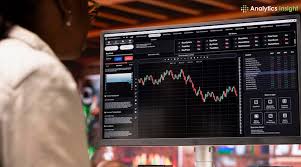
Your Ultimate Guide to Day Trading Crypto
  1. Choose a Reliable Exchange: Select a cryptocurrency exchange that facilitates day trading. Factors to consider include security, fees, user experience, and available trading pairs.
  2. Set Up Your Trading Account: Once you’ve chosen an exchange, create an account and complete any verification processes. Make sure to add funds to your account for trading.
  3. Develop a Trading Strategy: Having a concrete plan is essential for success. Consider what assets you’ll trade, how much capital you’ll allocate, and your entry and exit points.
  4. Utilize Technical Analysis: Familiarize yourself with charting techniques and indicators that can help you predict market movements and make informed decisions.

    Your Ultimate Guide to Day Trading Crypto
  5. Practice Risk Management: Determine how much you’re willing to risk on each trade and set stop-loss orders to protect your capital.

Popular Day Trading Strategies for Crypto

There are several strategies that day traders commonly employ in the crypto market. Here are a few popular ones:

  • Scalping: This strategy involves making numerous trades throughout the day to exploit small price fluctuations. Scalpers typically aim for quick profits, making multiple trades to accumulate significant gains over time.
  • Range Trading: Traders identify support and resistance levels and place trades accordingly. When the price approaches the support level, they will buy; conversely, they will sell when the price is close to resistance.
  • Momentum Trading: This strategy leverages the strength of price trends. Traders buy assets experiencing upward momentum and sell those showing downward trends, capitalizing on price movements.
  • Breakout Trading: Traders look for key price levels and trade when the asset price breaks through these levels, anticipating that the momentum will continue in one direction.

Tools and Resources for Day Trading Crypto

Successful day trading requires the right tools and resources. Here are some essential tools that can enhance your trading experience:

  • Charting Software: Utilize charting platforms like TradingView or Coinigy to analyze price patterns and indicators.
  • News Aggregators: Stay updated on crypto news through platforms like CoinDesk or CryptoSlate. Market sentiment can significantly impact price movements.
  • Portfolio Tracking Tools: Use apps or websites that can help you monitor your trades and overall portfolio performance.

Understanding the Risks

While day trading can be lucrative, it also carries substantial risks. The crypto market is known for its volatility, which can lead to significant losses in a very short period. Here are some common risks associated with day trading crypto:

  • Market Volatility: Prices can fluctuate wildly within minutes, leading to unexpected losses if not managed properly.
  • Emotional Decision-Making: The fast-paced nature of day trading can lead to impulsive decisions driven by fear or greed.
  • Overexposure: Trading too frequently or investing too much capital in a single trade can increase the risk of losses.

Best Practices for Successful Day Trading

To maximize your chances of success in day trading, consider the following best practices:

  1. Start Small: Begin with a small amount of capital to minimize risks while you gain experience.
  2. Continuous Learning: Stay informed about the crypto market and continually educate yourself on new trading strategies and techniques.
  3. Keep Emotions in Check: Develop discipline and adhere to your trading plan without letting emotions dictate your decisions.
  4. Review and Reflect: Analyze your trades regularly to identify what worked and what didn’t. Use this knowledge to improve your strategy over time.

Conclusion

Day trading crypto can be both thrilling and profitable, but it’s important to approach it with caution and preparation. By understanding the market, developing a solid trading plan, and adhering to best practices, you can navigate the world of crypto trading more effectively. Remember that every trader has risks to manage, and with diligence and practice, you can turn day trading into a fulfilling venture. Happy trading!


Mastering the Future of Finance Trading Simulator Crypto

Mastering the Future of Finance Trading Simulator Crypto

Unlocking the Potential of Trading Simulator Crypto

As cryptocurrency continues to gain traction and become more mainstream, the need for educated and informed traders has never been greater. One of the most effective ways to enhance trading skills without risking real capital is through the use of trading simulators. In this article, we’ll delve into the benefits of using a Trading Simulator Crypto https://cryptobriefing.com/how-keep-crypto-somewhat-safe/ in the crypto market, how these tools work, and how they can be a game changer for both novice and experienced traders alike.

What is a Trading Simulator?

A trading simulator is a software tool that allows users to practice trading without engaging in real monetary transactions. It provides a virtual trading environment where participants can mimic the behavior of an actual trading platform. Users can create an account, set their strategies, and trade using virtual currency, giving them a full taste of the trading experience without the risks typically associated with it.

Why Use a Trading Simulator for Crypto?

By utilizing a trading simulator for cryptocurrencies, traders can explore various trading strategies without the financial consequences of real trades. Here are some compelling reasons why trading simulators are particularly beneficial in the crypto sphere:

1. Risk-Free Learning

Trading cryptocurrencies can be incredibly volatile, and new traders may face significant losses without proper understanding. A trading simulator allows users to learn the ropes of trading, including reading charts, analyzing trends, and making informed decisions, all in a risk-free environment.

2. Developing Strategies

Successful trading is often a result of meticulously developed strategies. Simulators enable traders to test various strategies against realistic market conditions, providing invaluable insights into what works and what doesn’t before committing actual funds.

3. Understanding Market Dynamics

The cryptocurrency market operates differently from traditional financial markets. A trading simulator can help traders understand unique market dynamics, such as liquidity issues, trading volumes, and market orders, which are critical for success.

4. Ensuring Psychological Preparedness

Psychological resilience is vital in trading. A simulator provides a safe space to hone emotional responses to market fluctuations, allowing traders to practice maintaining composure during high-stress situations without suffering financial loss.

How Trading Simulators Work

Trading simulators use algorithms and real-time data to create a virtual market where traders can execute trades. The best simulators provide a user interface similar to that of actual trading platforms, making the transition to real trading smoother. Most simulators offer various features, including:

Real-Time Data

Simulators equipped with real-time market data enable users to experience trading as it happens, including price fluctuations and volume changes. This functionality is crucial for testing and refining strategies under realistic conditions.

Customization Options

Mastering the Future of Finance Trading Simulator Crypto

Many trading simulators allow users to customize their trading environment. Traders can select assets they wish to trade, set their trading limits, and even implement algorithmic trading strategies for more advanced practice.

Progress Tracking

Effective simulators often provide progress tracking, enabling users to monitor their performance over time. This feature is crucial for identifying strengths and weaknesses and making necessary adjustments to strategies.

Choosing the Right Trading Simulator

With numerous trading simulators available, choosing the right one can be daunting. Here are some factors to consider:

1. Features and Tools

Look for simulators that offer comprehensive trading features, including technical analysis tools, charting options, and mobile access. The more tools available, the better the learning experience.

2. User Experience

An intuitive user interface can significantly impact your learning curve. Choose a simulator that is easy to navigate, especially if you’re a beginner.

3. Community and Support

A strong community and customer support can greatly enhance your simulation experience. Forums, tutorials, and customer service are important resources for troubleshooting and expanding your knowledge.

Moving Beyond Simulation

While trading simulators provide a great learning platform, transitioning to real trading requires additional considerations. Here are some tips to aid in a smooth transition:

1. Start Small

When moving to real trading, begin with smaller investments. This approach allows you to familiarize yourself with the emotional and financial preparedness needed for trading without exposing you to significant risk.

2. Set Realistic Goals

Establishing realistic trading goals based on past performance in the simulator is vital. Understand that the market’s volatility can lead to losses, and approaching your goals with a clear, realistic mindset is crucial for long-term success.

3. Continuous Learning

Trading is a continuously evolving field. Stay updated with market trends, news, and advanced trading techniques to keep your skills sharp. Utilize the insights gained from simulation to adapt and improve your trading strategies.

Conclusion

Trading Simulator Crypto is a vital tool for anyone looking to enter the cryptocurrency market. By providing a risk-free environment to learn, practice, and refine trading strategies, simulators empower traders to make informed decisions. Whether you’re just starting or looking to enhance your skills, a trading simulator can pave the way for achieving your trading goals.